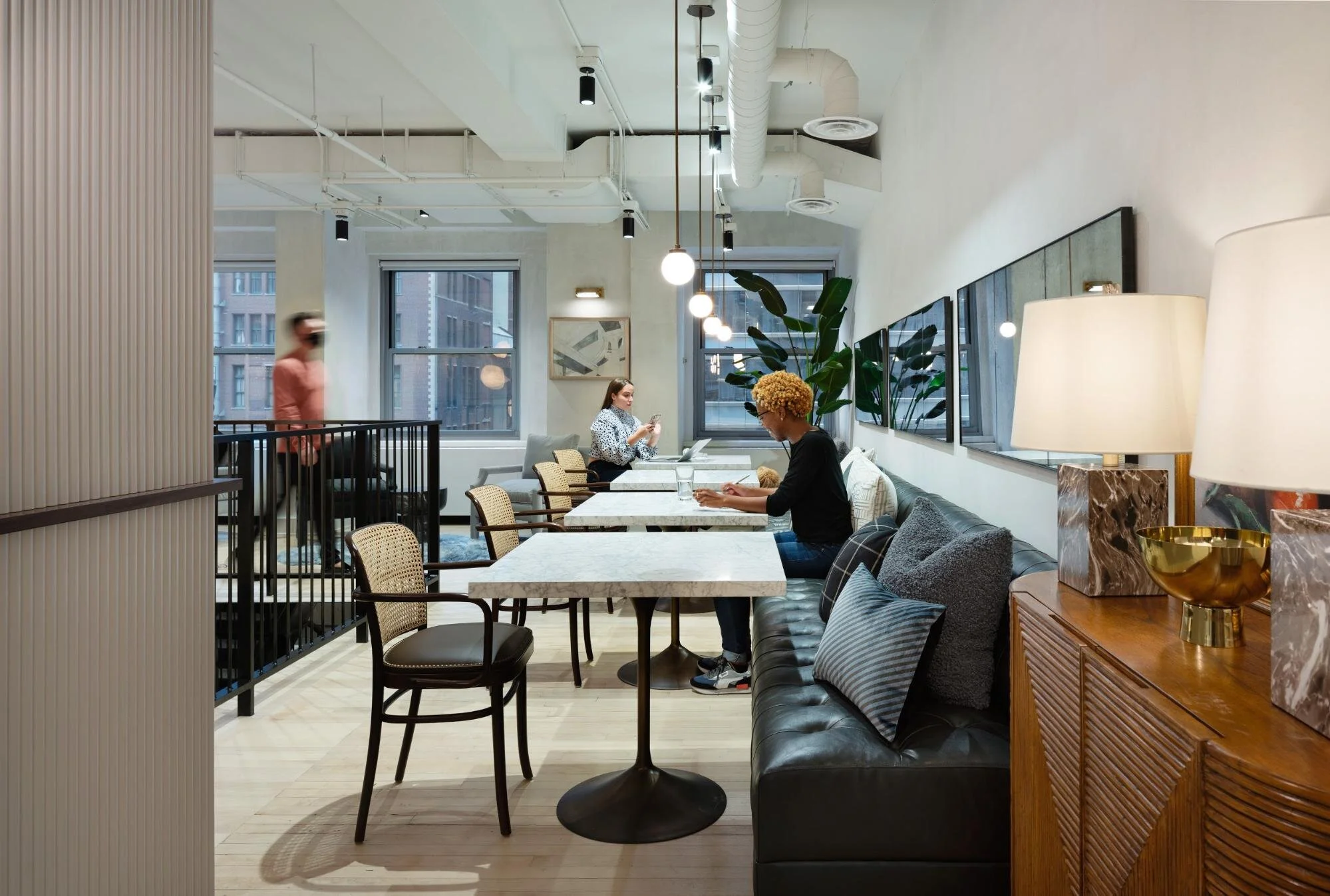
Exploring Creative Workspace Designs: How to Enhance Productivity and Well-Being
In today’s fast-paced work environment, the design of our creative workspace plays a crucial role in enhancing both productivity and well-being. Innovative workspace designs can significantly impact how we feel and perform during our tasks. By incorporating elements such as natural light, flexible seating arrangements, and creative color palettes, businesses can create an atmosphere that inspires employees and fosters collaboration. Importantly, incorporating areas for relaxation and rejuvenation, like meditation zones or coffee corners, can further enhance overall employee satisfaction.
Moreover, integrating technology into workspace designs can streamline workflows and boost efficiency. Consider features such as smartboards for brainstorming sessions or adjustable desks that allow for standing and sitting options throughout the day. Recent studies highlight that a well-designed workspace not only improves morale but also promotes a culture of innovation. To summarize, investing in creative workspace designs ultimately leads to a more engaged workforce, paving the way for greater success in achieving business goals.
Counter-Strike is one of the most popular first-person shooter games in the world, known for its competitive gameplay and strategic teamwork. Players can choose to play as terrorists or counter-terrorists, engaging in various game modes that emphasize tactics and skill. For gamers looking to enhance their setup, check out the Top 10 Creator Desk Setups for optimizing their gaming environment.
The Future of Work: Flexibility and Functionality in Modern Office Spaces
The future of work is undeniably transforming, with flexibility and functionality becoming paramount in the design of modern office spaces. As more businesses adapt to remote and hybrid work models, organizations are reimagining traditional office layouts to accommodate diverse working styles. Open spaces, collaborative areas, and quiet zones coalesce to foster creativity while ensuring employees have the flexibility to choose their work environment. This shift not only enhances employee satisfaction but also boosts productivity, making the case for an adaptable workplace essential.
Moreover, the integration of technology plays a critical role in influencing office functionality. Smart office features, including automated lighting, climate control, and advanced communication tools, enhance the functionality of modern workspaces. These technologies not only streamline operations but also contribute to sustainability initiatives by reducing energy consumption. Ultimately, as we look ahead, the emphasis on flexibility and functionality will define the success of office spaces, aligning with the evolving needs of the workforce and paving the way for a more agile and innovative business landscape.
What Are the Benefits of Non-Traditional Workspaces for Teams and Individuals?
Non-traditional workspaces, such as coworking spaces and remote working environments, offer a plethora of benefits for both teams and individuals. Firstly, these settings foster collaboration and innovation by bringing together diverse professionals from various fields. This interaction can lead to the exchange of ideas and creative solutions that might not occur in a traditional office. Additionally, a more relaxed atmosphere often found in these spaces can enhance productivity, as individuals feel more at ease and motivated in their work.
Moreover, non-traditional workspaces promote greater work-life balance. Many employees find that flexible hours and the ability to work from different locations allow them to manage personal commitments alongside their professional responsibilities better. This flexibility can lead to increased job satisfaction and retention rates for companies. Furthermore, embracing non-traditional workspaces can help organizations save on overhead costs, as there is less need for large physical office spaces, allowing funds to be allocated to other critical areas such as employee development and technology upgrades.