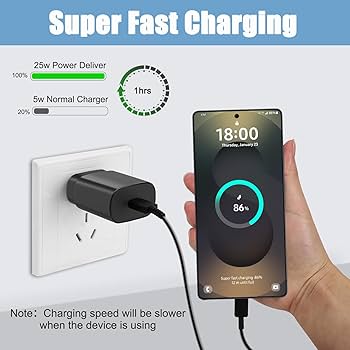
Exploring the Science Behind Fast Charging Technology
The rapid evolution of technology has made fast charging a common feature in modern devices, especially smartphones and electric vehicles. But what exactly is the science behind this capability? Fast charging relies on increasing the flow of current to the battery, which can be achieved by enhancing the voltage or decreasing the resistance. Battery management systems play a crucial role in this process, ensuring that the battery operates within safe limits while maximizing charging efficiency. This allows users to reduce downtime and stay connected with minimal interruption.
Moreover, advancements in battery chemistry have significantly contributed to the effectiveness of fast charging. For instance, lithium-ion batteries, which are prevalent in today's devices, utilize electrolytes that enable higher charge rates. Manufacturer-specific technologies, such as Qualcomm’s Quick Charge and Apple’s Fast Charge, leverage these principles to deliver impressive charging speeds. However, while fast charging is convenient, it is essential to consider its impact on battery longevity, making it a topic worth exploring for anyone interested in the future of energy storage and device usage.
Counter-Strike is a popular multiplayer first-person shooter game that has captivated gamers since its initial release in the late 1990s. Players can engage in thrilling team-based battles, choosing to take on the roles of either terrorists or counter-terrorists. The dynamic gameplay and strategic elements have made it a staple in the eSports community, where professional players often compete in high-stakes tournaments. For those looking to enhance their gaming experience at home, check out the Top 10 Wireless Chargers for Pixel Devices to ensure your devices are always powered during intense matches.
How Fast Charging is Changing Our Daily Lives
The advent of fast charging technology has revolutionized the way we interact with our devices on a daily basis. Gone are the days of waiting hours for our smartphones and tablets to power up. With fast charging, users can now enjoy significant improvements in charging speed, often gaining hours of use from just a quick 30-minute charge. This efficiency not only enhances our productivity but also allows us to spend more time enjoying our devices without the constant worry of battery life. Fast charging is reshaping our routines, enabling us to stay connected and engaged with the world around us.
Moreover, fast charging is driving changes in our environmental impact and the way we use energy. As more devices embrace this technology, the demand for batteries that can withstand rapid charging has spurred innovations in energy storage solutions. These developments contribute to a more sustainable future, as users are encouraged to charge their devices fewer times throughout the day, reducing energy consumption overall. By integrating fast charging into our lifestyles, we are not only enjoying convenience but also paving the way for a smarter approach to energy usage.
Is Fast Charging Bad for Your Battery Health?
The advent of fast charging technology has undoubtedly revolutionized the way we recharge our devices, allowing for significantly reduced charging times. However, many users are left wondering, is fast charging bad for your battery health? The short answer is that while fast charging can lead to some degree of wear and tear on lithium-ion batteries, it is not inherently damaging when used appropriately. Modern devices are equipped with advanced battery management systems that regulate power input and monitor temperature, thereby mitigating potential harm. This means that the overall impact of fast charging on battery longevity greatly depends on the quality of the charger and the device itself.
To better understand the effects of fast charging on battery health, it's essential to consider factors such as charging cycles and heat generation. Frequent fast charging can contribute to increased heat, which is detrimental to battery life. Therefore, it's advisable to use fast charging only when necessary. As a rule of thumb, if you're not in a rush, stick with standard charging methods to help prolong your battery’s lifespan. Moreover, always use high-quality chargers and cables that meet safety standards to reduce risks. By taking these precautions, you can minimize the negative impact fast charging may have on your battery health.