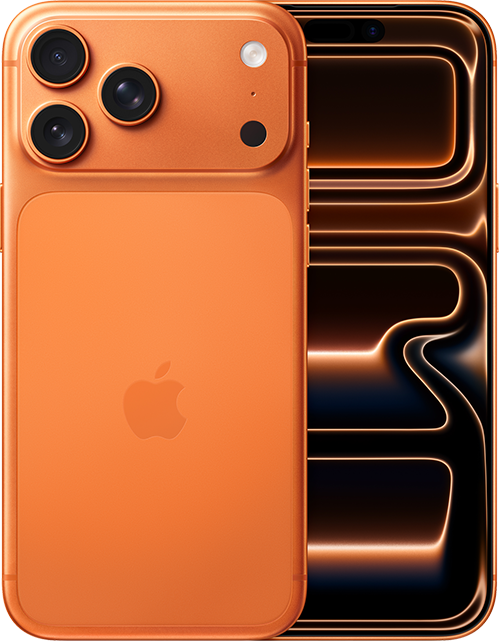
Is the iPhone Really Worth the Hype? A Critical Analysis
The iPhone has been at the forefront of technological innovation since its launch in 2007. Is the iPhone really worth the hype? This question often arises among consumers weighing the pros and cons of investing in Apple's flagship device. On one hand, the iPhone offers a seamless user experience, top-notch security, and a robust ecosystem of apps that enhance daily productivity. Additionally, Apple's commitment to regular software updates ensures that even older models receive essential enhancements, making them feel relevant for longer periods. However, critics argue that the premium pricing and closed ecosystem may not justify the investment for everyone.
When evaluating the iPhone against its competitors, it's crucial to consider both features and affordability. Many Android devices provide similar specifications at a fraction of the cost. Moreover, some users feel restricted by the lack of customization options in iOS compared to Android's flexibility. Ultimately, whether the iPhone is truly worth the hype hinges on individual preferences and priorities. For those who value brand loyalty, design, and a streamlined experience, the iPhone may indeed be the best choice. Conversely, budget-conscious consumers may find greater value in alternatives that meet their needs without the hefty price tag.
Counter-Strike is a highly popular multiplayer first-person shooter game that has captivated gamers since its release. Players engage in tactical gameplay, often competing in teams as terrorists or counter-terrorists. For those looking to enhance their mobile experience, check out the Top 10 Military Grade Shockproof Cases for iPhone 17 to protect their devices while gaming on the go.
Unpacking the iPhone's Features: Are They Game-Changers or Just Marketing Hype?
The iPhone has consistently been at the forefront of smartphone innovation, but with every new release, tech enthusiasts and casual users alike often grapple with the question: are these features genuinely revolutionary, or are they simply the result of clever marketing strategies? One aspect that often catches attention is the camera capabilities. With each iteration, the iPhone boasts enhanced photography tools, such as improved low-light performance and advanced computational photography. These enhancements not only elevate the user experience but also redefine what we expect from smartphone cameras. However, it's essential to examine whether these features fundamentally change how we interact with photography or if they're merely incremental improvements.
Another area to consider is the integration of software with hardware. The iPhone's user experience is often highlighted as a standout feature, thanks in part to Apple’s sleek operating system, iOS. With each update, users encounter new functionalities, like the latest privacy controls and multi-tasking capabilities, which enhance usability. But are these improvements game-changers, or do they merely keep pace with competitors? To answer this, we need to evaluate whether these updates create genuine value for the user or simply serve to market the iPhone as a cutting-edge device in a crowded smartphone landscape. In conclusion, the conversation around the iPhone's features continues to be a blend of excitement and skepticism, making it vital for consumers to discern the difference between authentic innovation and marketing hype.
Is the iPhone Overrated? Exploring Alternatives That May Suit You Better
The iPhone has long dominated the smartphone market, celebrated for its sleek design, user-friendly interface, and ecosystem integration. However, many consumers are starting to question whether the iPhone is truly worth its steep price tag. The notion that the iPhone is overrated is gaining traction, as users explore various alternatives that may offer better value without sacrificing functionality. Factors such as budget constraints, desired features, and personal preferences play a crucial role in determining whether an iPhone is the right choice or if alternatives like Android devices or even budget-friendly smartphones could suit you better.
When considering alternatives to the iPhone, it is essential to assess your specific needs. For example, devices like the Google Pixel series are renowned for their exceptional camera quality and clean software experience, making them a strong contender for photography enthusiasts. On the other hand, brands like OnePlus offer powerful specifications at a fraction of the price, appealing to users who seek performance without the premium markup. Ultimately, broadening your smartphone search beyond the iPhone could lead you to discover options that not only match your lifestyle but also fit more comfortably within your budget.