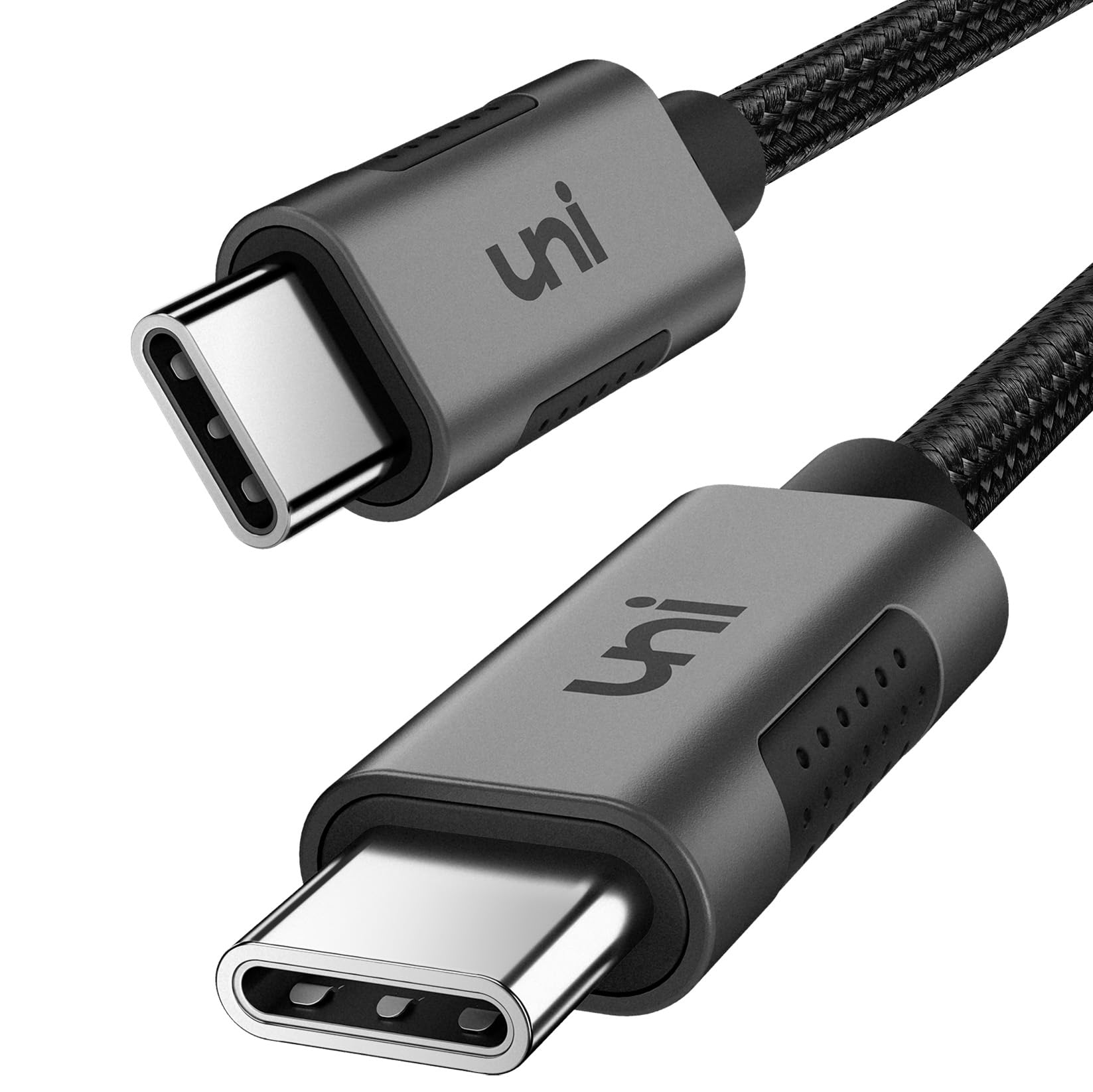
Understanding USB-C: A Comprehensive Guide to the Next Generation Connector
USB-C, short for Universal Serial Bus Type-C, represents a significant evolution in connectivity, combining power, data transfer, and video output capabilities into a single, compact interface. With its reversible design, users can plug in their devices without worrying about the orientation of the connector, making it more user-friendly compared to previous USB versions. This versatility has led to widespread adoption across many devices, including smartphones, laptops, and tablets, paving the way for a standard that consolidates multiple functionalities. Additionally, the USB-C standard supports faster charging and data transfer rates, reaching up to 10Gbps with USB 3.1, and even higher speeds with USB 4.0, which can accommodate external graphics cards and high-resolution displays.
As you explore the landscape of USB-C, it’s essential to understand its compatibility with previous USB standards. Although USB-C ports can deliver power and data, not all USB-C devices are created equal. The following are important aspects to consider:
- Power Delivery (PD): Allows for up to 100W of power transfer, enabling charging of laptops and other high-demand devices.
- Alternate Modes: Some USB-C ports support alternate modes like DisplayPort or HDMI, allowing for video output.
- cables: Not all USB-C cables can provide the same level of power or speed; check specifications to ensure compatibility.
Counter-Strike is a popular first-person shooter game that has evolved significantly since its initial release. Players can engage in intense team-based combat, utilizing strategy and skill to defeat opponents. For those who are looking to enhance their gaming setup, check out the Top 10 macbook docks to find the perfect accessories for your gaming experience. With its competitive scene and community-driven gameplay, Counter-Strike continues to be a mainstay in the gaming world.
The Benefits of Switching to USB-C: Why You Should Make the Change Today
Switching to USB-C brings a multitude of benefits that enhance both convenience and compatibility. One of the primary advantages is the universal nature of the USB-C connector, which is now adopted by a wide range of devices including smartphones, tablets, laptops, and even peripherals. This means fewer cables and adapters cluttering your space, allowing for a more streamlined setup. Additionally, the USB-C standard supports faster charging and data transfer rates, making it an efficient choice for users who rely heavily on electronics in their daily lives.
Furthermore, adopting USB-C can future-proof your tech experience. As technology continues to evolve, many manufacturers are phasing out older ports in favor of the USB-C standard. This shift not only enhances compatibility across devices but also allows you to take advantage of emerging technologies, such as faster data transfers and improved power delivery. By making the change to USB-C today, you are ensuring that your devices remain connected and functional in an ever-evolving tech landscape.
USB-C vs. Other Connectors: Which is Right for Your Devices?
When it comes to modern connectivity, USB-C has rapidly become the standard for many devices. Its reversible design and ability to transfer both power and data at high speeds make it a versatile option. Unlike traditional connectors such as USB-A or micro USB, which can only handle limited power delivery and data transfer rates, USB-C supports up to 100 watts of power and high-definition video output. This means you can charge a laptop, connect to a monitor, and transfer files all through a single port. Before deciding on a connector type, consider what devices you use and whether they support USB-C compatibility.
However, USB-C isn't without its competitors. Older devices still rely on connectors like USB-A, Lightning for Apple products, and other proprietary connectors that serve niche markets. For example, Lightning connectors are prevalent in Apple ecosystems, offering seamless compatibility with iPhones and iPads. If you're looking to pair your new devices with existing tech, you might want to consider compatibility and future-proofing. Ultimately, the choice between USB-C and other connectors boils down to your specific needs and the devices in your ecosystem.