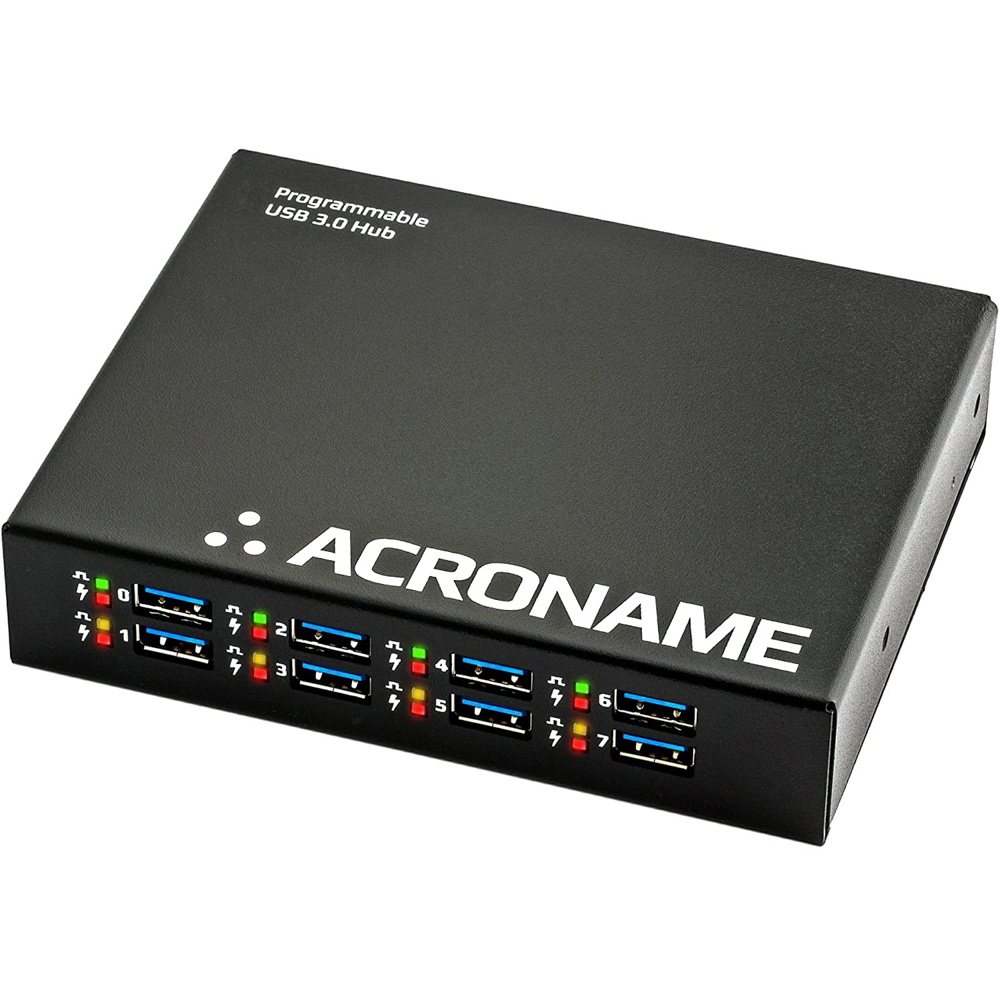
Understanding the Limitations of USB Hubs: What Every User Should Know
USB hubs are invaluable for expanding the number of available ports for your devices, but it's crucial to understand their limitations. One key aspect to consider is the maximum data transfer speed. Most hubs share the total bandwidth among all connected devices, which can result in slower data transfer rates as more devices are added. For instance, a USB 3.0 hub can theoretically support speeds of up to 5 Gbps, but if multiple devices are connected simultaneously, the performance can diminish significantly. This makes it essential for users to prioritize which devices they need to connect for optimal functionality.
Another important limitation of USB hubs is their power distribution. While some hubs are powered by an external source, others rely on the device they are connected to for power. This can lead to issues when trying to connect power-hungry devices like external hard drives. If a hub doesn't provide enough power, those devices may not function correctly or may even damage the hub. Therefore, it's crucial for users to check the specifications of their USB hubs and ensure that they are suitable for their specific needs.
Counter Strike is a highly popular first-person shooter game that pits terrorists against counter-terrorists in team-based gameplay. The objective varies from completing objectives, such as bomb planting or hostage rescue, to eliminating the opposing team. Players often seek out Top 10 macbook accessories to enhance their gaming experience and improve their performance on the virtual battlefield. With a competitive scene that has lasted for over two decades, Counter Strike continues to be a staple in the esports community.
Maximizing Performance: Tips for Choosing the Right USB Hub
When it comes to maximizing performance with your devices, selecting the right USB hub is crucial. First, consider the number of ports you need. If you frequently connect multiple devices, such as printers, external drives, and keyboards, look for a hub that offers at least 4 to 10 USB ports. Additionally, verify the type of ports; USB 3.0 or higher is recommended for faster data transfer speeds.
Another important factor is power supply. Some USB hubs rely solely on your computer's power, which may not be sufficient for power-hungry devices. Opt for a powered hub if you need to connect devices that require more power, such as external hard drives or charging mobile devices. Finally, read reviews to gauge user experiences regarding performance and reliability to ensure you make the best choice for your needs.
What to Do When Your USB Hub Overloads: Troubleshooting Common Issues
When you notice that your USB hub overloads, it can lead to frustrating connectivity issues. One of the first steps to troubleshoot this problem is to unplug all devices connected to the hub and then connect them back one at a time. This process can help identify if a specific device is causing the overload. If a device is detected to be the culprit, you may need to check for compatibility issues, or it could be that the device itself is malfunctioning.
Additionally, consider checking the power supply to your USB hub. Many powered USB hubs require an external power source to function correctly, especially when multiple devices are connected. If your hub has a power adapter, ensure it is plugged in and functioning. If problems persist, you might need to update the drivers for your USB ports or replace the USB hub altogether. Previous connectivity issues may re-emerge if you continue to use a faulty hub, so it’s wise to address the problem promptly.