Cracking the Code: What Even *Is* a Web Scraping API & Why You Need One (Beyond Copy-Pasting)
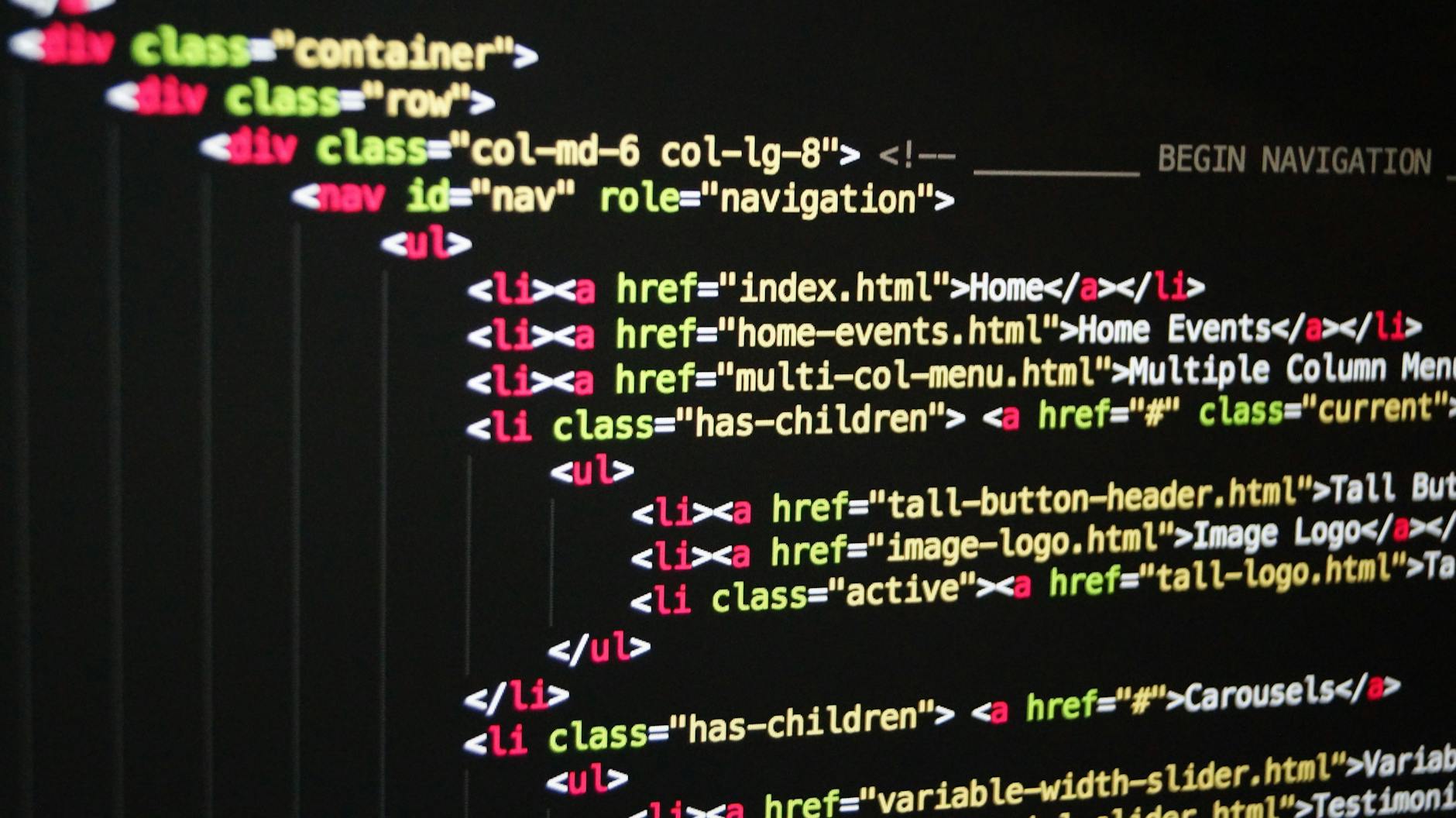
You’ve encountered web scraping before, even if you didn't call it that. Manually copying product details from an e-commerce site, compiling competitor pricing, or gathering news headlines – that’s rudimentary web scraping. However, when you need to do this at scale, accurately, and consistently, manual copy-pasting quickly becomes a nightmare. This is where a Web Scraping API steps in, transforming a tedious, error-prone chore into an automated, efficient process. Think of it as a specialized tool that sends a request to a website, intelligently navigates its structure (even complex, dynamic sites), extracts the specific data you're looking for, and then delivers it back to you in a clean, structured format like JSON or CSV. It handles all the underlying complexities – proxy management, CAPTCHA solving, IP rotation, and browser emulation – so you don't have to.
So, why is this so much more powerful than your browser's 'copy' command? Beyond simply automating data extraction, a robust Web Scraping API offers a crucial layer of sophistication and reliability. It allows you to:
- Bypass common anti-scraping measures that would block manual or naive automated attempts.
- Scale your data collection efforts dramatically, gathering thousands or even millions of data points across multiple websites simultaneously.
- Ensure data cleanliness and consistency by providing structured output, ready for analysis or integration into your applications.
- Access dynamic content that loads with JavaScript, which traditional 'requests' libraries often miss.
Choosing the best web scraping api can significantly streamline your data extraction process, offering features like IP rotation, CAPTCHA solving, and headless browser support. These APIs are designed to bypass common scraping roadblocks, ensuring reliable and efficient data collection even from complex websites. With the right API, developers can focus on utilizing the extracted data rather than troubleshooting the scraping infrastructure.
Navigating the Battlefield: Practical Tips for Choosing Your Champion (and Avoiding Common Pitfalls)
Choosing the right SEO tools can feel like a daunting task, akin to selecting your champion for a digital battlefield. The sheer volume of options, each promising unparalleled results, often leads to analysis paralysis. To cut through the noise, begin by clearly defining your blog's specific needs and budget. Are you primarily focused on keyword research, competitor analysis, backlink monitoring, or a blend of all three? For instance, a nascent blog might prioritize affordable tools with strong keyword discovery features, while an established enterprise could justify investing in a comprehensive suite offering advanced analytics and reporting. Remember, the best tool isn't necessarily the most expensive one; it's the one that most effectively addresses your current challenges and scales with your growth.
Once you've narrowed down your options, don't just take their marketing claims at face value. Actively seek out free trials and demos to get hands-on experience with the interface and functionality. Pay close attention to the user experience, data accuracy, and the quality of their customer support. Consider what other industry professionals are saying about these tools. Look for independent reviews and case studies that highlight both the strengths and weaknesses. Often, a tool's community and the availability of learning resources (tutorials, webinars) can significantly impact your long-term success. Avoiding common pitfalls like over-committing to a single, unproven tool or neglecting to assess its integration capabilities with your existing workflow will save you considerable time and frustration down the line. A thoughtful selection process ensures you're equipping yourself with a true champion, not just another flashy contender.