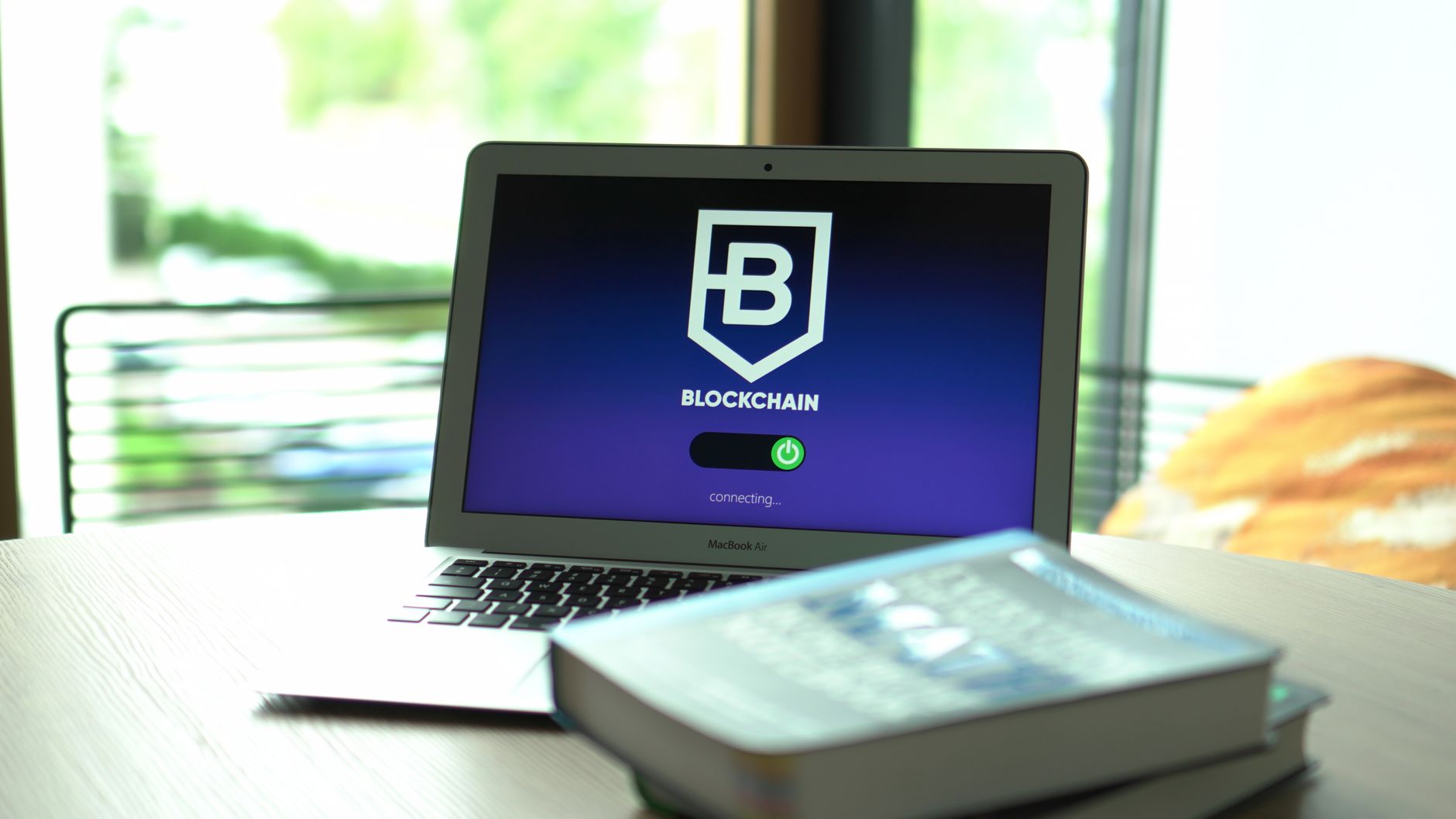
From Fiat to FUD-Free: Your Wallet's Security, Seed Phrases, and Why You Can't Just 'Reset Password'
Transitioning from traditional finance (fiat) to the decentralized world of cryptocurrency introduces a paradigm shift in how we perceive and manage our assets. In the fiat system, banks act as intermediaries, offering the convenience of password resets and fraud protection. However, with cryptocurrencies, you become your own bank. This self-sovereignty comes with immense power but also significant responsibility. Your wallet's security isn't just about a strong password; it hinges on understanding the foundational elements that protect your digital wealth. We'll delve into the critical role of seed phrases and the immutable nature of blockchain technology, explaining why the 'reset password' option, familiar from your online banking, simply doesn't exist in the crypto realm. Prepare to embrace a new level of financial autonomy, where security is paramount and directly in your hands.
The core of your cryptocurrency security lies within your seed phrase, a sequence of 12 or 24 seemingly random words. This phrase is not merely a password; it's the master key to your entire wallet, mathematically derived from your private keys. Losing it means permanent loss of your funds, as there's no central authority to verify your identity or recover your access. Think of it like this:
Your seed phrase is the blueprint to your vault, not just the combination to its lock. If the blueprint is gone, the vault cannot be rebuilt.
This fundamental difference highlights why the 'reset password' function, common in centralized systems, is impossible in decentralized crypto. The blockchain’s design prioritizes immutability and user control, meaning once a wallet is created and its seed phrase generated, the responsibility for its safekeeping rests entirely with the owner. Understanding this distinction is crucial for navigating the crypto landscape securely and confidently.
Decentralized betting offers a revolutionary approach to wagering, removing the need for traditional intermediaries and operating on blockchain technology. This allows for increased transparency, reduced fees, and enhanced security compared to conventional platforms, making decentralized betting an intriguing option for those seeking a more equitable and verifiable gambling experience.
Your First Crypto Purchase & Beyond: Navigating Exchanges, Gas Fees, and What 'Decentralized' Actually Means for Your Money
Embarking on your crypto journey starts with that pivotal first purchase, typically made through a centralized exchange (CEX). These platforms, like Coinbase or Binance, act as intermediaries, simplifying the process of converting traditional fiat currency (like USD or EUR) into cryptocurrencies. Think of them as the stockbrokers of the crypto world. While incredibly user-friendly, remember that CEXs hold your private keys, meaning you're entrusting them with the security of your assets. For larger holdings, consider transferring your crypto to a self-custody wallet for greater control, though this introduces the responsibility of securing your own seed phrase. Always prioritize security and due diligence when choosing an exchange.
Beyond the initial acquisition, understanding the underlying mechanics of blockchain transactions is crucial. You'll frequently encounter the term 'gas fees,' which are essentially transaction costs paid to network validators for processing and securing your transfers. These fees fluctuate based on network congestion and the complexity of your transaction. Furthermore, grasping what 'decentralized' truly means for your money is paramount. It signifies a system without a central authority, where transactions are validated by a distributed network of computers, not a single institution. This offers unparalleled transparency and resistance to censorship, but it also means with great power comes great responsibility
– there's no central bank to reverse a mistaken transaction or restore lost funds.