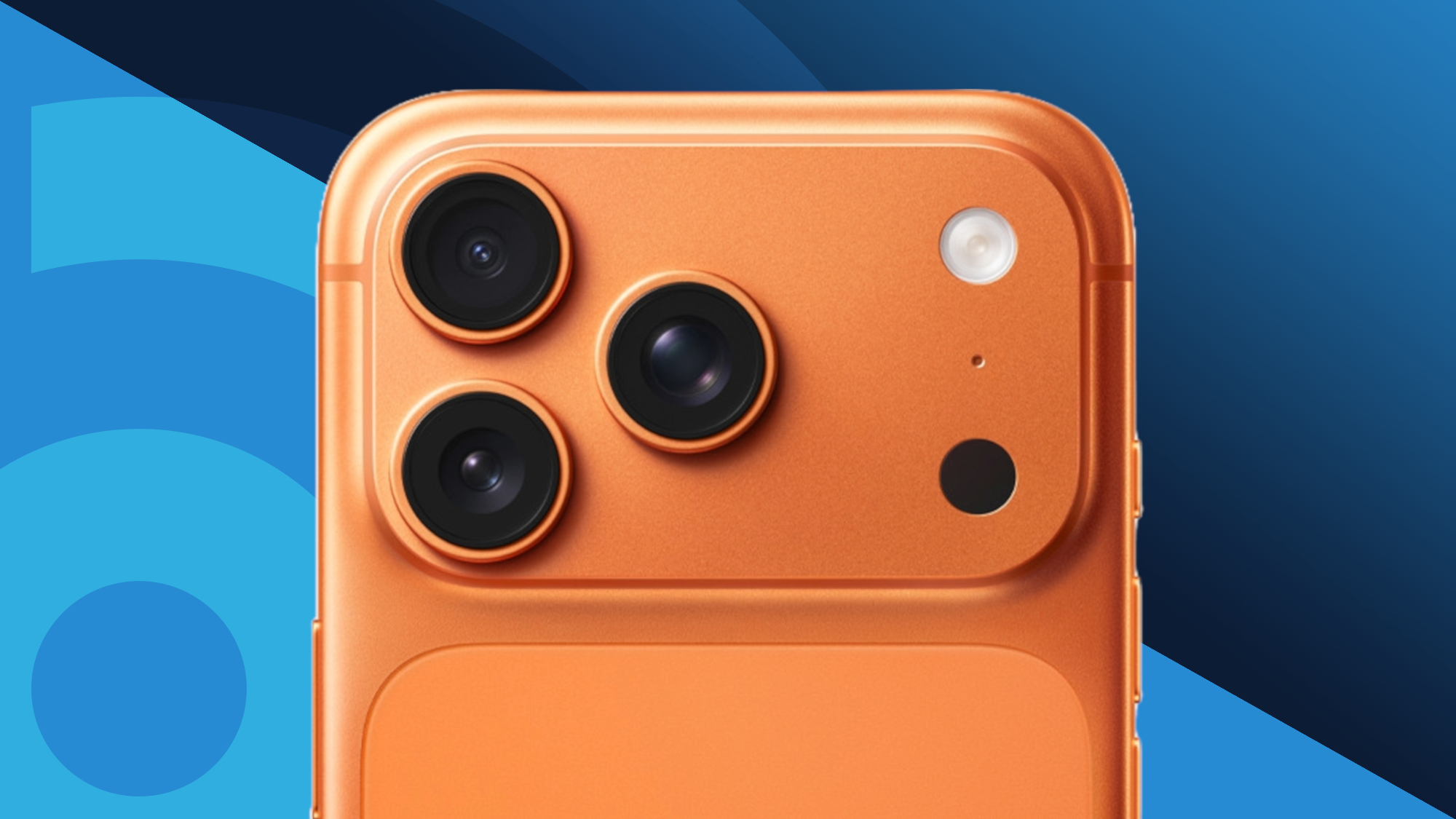
How the iPhone Redefined Communication and Connectivity
The launch of the iPhone in 2007 marked a pivotal moment in the evolution of communication and connectivity. By integrating a mobile phone, a high-quality camera, and an internet-enabled device in one sleek package, Apple revolutionized the way people interacted with technology and one another. The iPhone made it possible for users to access the internet on-the-go, send messages, and share multimedia content seamlessly. This shift not only changed personal communication but also influenced global connectivity, connecting individuals across vast distances through various social media platforms and instant messaging apps.
With features like FaceTime, iMessage, and social media integration, the iPhone has redefined the notion of being 'connected.' The ability to engage in real-time conversations, share experiences through photos and videos, and participate in interactive communities has transformed the fabric of human relationships. As we move towards a more digitally-driven society, the iPhone continues to play an integral role in enhancing communication and ensuring that we remain intertwined in this ever-evolving landscape of connectivity.
Counter Strike is a popular first-person shooter that emphasizes teamwork and strategy. Players engage in intense matches where they can choose to join either the terrorist or counter-terrorist team. The game has spawned numerous versions and updates, keeping the community engaged and competitive. For players looking to protect their devices while gaming, check out the Top 10 iphone screen protectors to ensure they have the best gear.
The Impact of the iPhone on Modern Technology and Daily Life
The iPhone has undeniably transformed the landscape of modern technology since its introduction in 2007. This innovative device revolutionized the smartphone market by merging a phone, an internet browser, and a media player into one sleek unit. Its influence extends beyond just hardware; the introduction of the App Store spawned a multi-billion dollar app economy, enabling countless developers to create applications that enhance our daily lives. From productivity tools like calendars and note-taking apps to social media platforms and entertainment options, the iPhone has become a central hub for both personal and professional activities.
Moreover, the impact of the iPhone reaches into our daily routines, redefining how we communicate, work, and consume information. With features like FaceTime and instant messaging, it has made communication faster and more accessible, fostering connections around the globe. Additionally, the integration of advanced technologies such as artificial intelligence and augmented reality has opened new avenues for creativity and interaction. As we rely more on our devices, understanding the iPhone's impact on technology and society is essential for navigating our increasingly digital world.
What Innovations Did the iPhone Bring to the Smartphone Market?
When the iPhone was released in 2007, it revolutionized the smartphone market with a myriad of innovations that set a new standard for mobile technology. First and foremost, the introduction of the multi-touch screen allowed for intuitive navigation and interaction, eliminating the physical keyboards that dominated earlier models. This feature not only enhanced user experience but also paved the way for a new generation of applications. Furthermore, the iPhone brought forth a powerful App Store, enabling developers to create and distribute applications directly to consumers, which significantly expanded the smartphone's functionality.
In addition to the hardware innovations, the iPhone's software, particularly its iOS ecosystem, introduced features such as push notifications and seamless integration with other Apple products. These advancements not only improved communication but also created a more cohesive technology experience for users. Additionally, the emphasis on sleek design and usability in the iPhone set a trend that competitors would soon follow, ultimately defining the modern smartphone landscape. As a result, the iPhone did not merely enter the market; it transformed it, establishing benchmarks that have influenced every subsequent smartphone.